
By KACE KIESCHNICK, Tiger Rag Staff Reporter
The attorneys representing LSU commitments Dae’Quan Wright and Zxavian Harris along with 31 other class of 2022 athletes in their lawsuit against the NCAA are moving forward with their injunction despite the Southeastern Conference’s new rule preventing former pros from playing for SEC schools.
The former collegiate athletes, along with many others around the country, are seeking an injunction for a fifth season of eligibility as part of the NCAA’s new five-year, age-based eligibility model retroactive to the 2023 class, excluding the 2022 class. Baton Rouge Judge William Jorden granted the plaintiffs a temporary restraining order (TRO) against the NCAA to restore their eligibility last week. That allowed them to enter the transfer portal and come back to college sports – even after signing a professional contract. That TRO is set to expire on Saturday, and a hearing in the case is scheduled for Monday in Baton Rouge.
Baton Rouge attorney Tony Clayton, who is assisting the players while also representing LSU basketball signee and former NBA player RJ Luis in a separate eligibility suit against the NCAA, told Tiger Rag Thursday that the SEC’s policy “flat-out” breaks Louisiana law.
“SEC schools, by operational law, are derivatives of the NCAA,” Clayton, a Cum Laude graduate of Southern University’s law school in Baton Rouge, said. “They are the NCAA, so if the NCAA is prohibited from taking any punitive action against these young players (via temporary restraining orders), then the SEC is, too.”
STORY UPDATE STARTS HERE:
And later Thursday, SEC commissioner Greg Sankey was added to the players’ lawsuit as a defendant by name against the NCAA and, by definition, also against the SEC, which is under the NCAA umbrella. The players are now suing Sankey, too, according to a court filing late Thursday, as reported by the Baton Rouge Advocate.
The athletes’ lawsuit is scheduled for a hearing on Monday to determined whether they will receive a preliminary injunction against the NCAA and, now, the SEC.
The SEC ban this week came with punishments. Team that sign an ex-pro will face a half-season-long suspension of the head coach and a fine of 50 percent of the team’s annual operating budget. The school will also lose its voting privileges in SEC decisions.
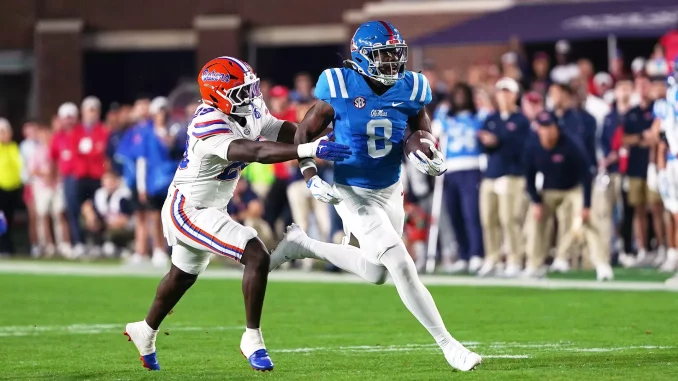
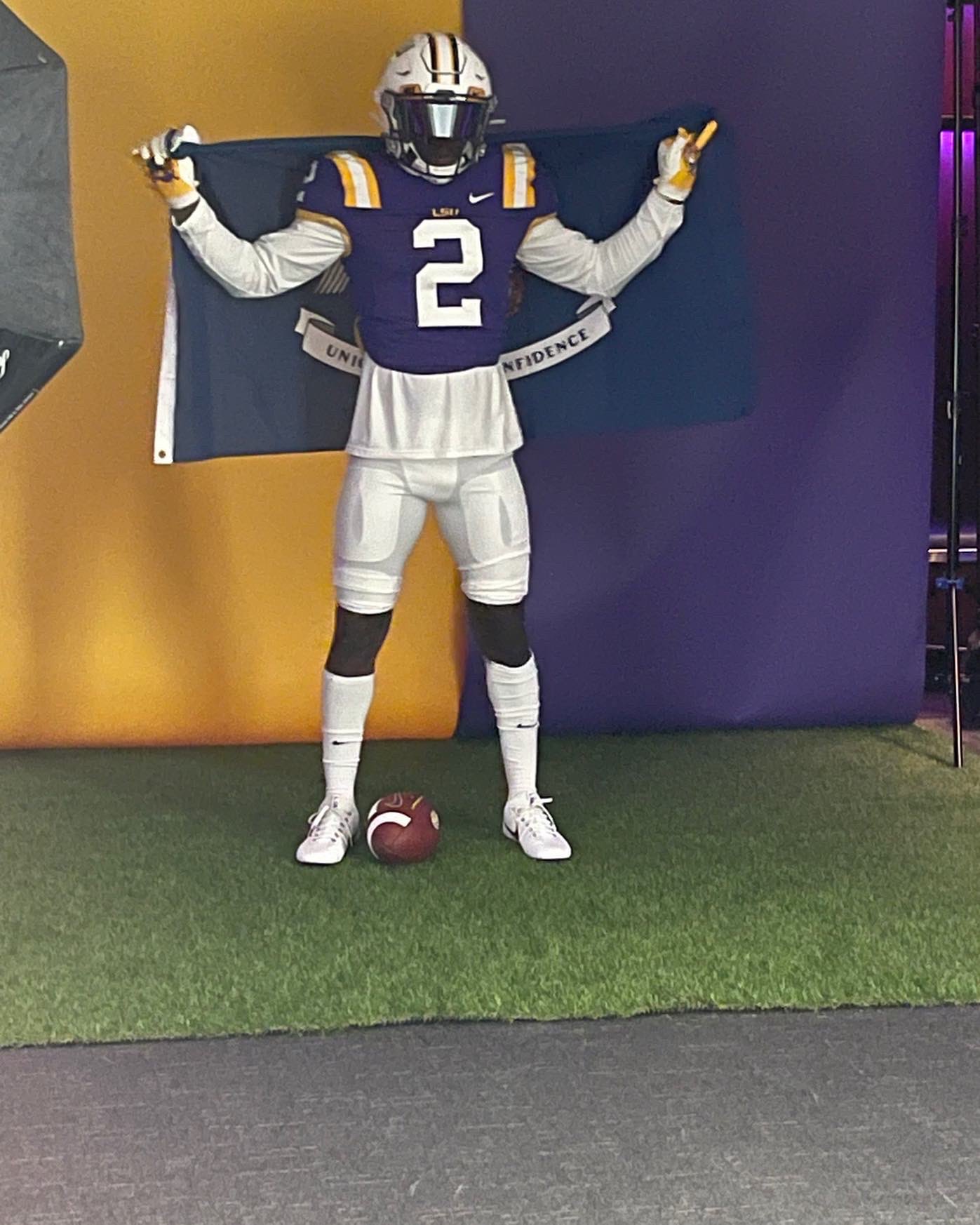
Wright committed to LSU football coach Lane Kiffin on Sunday. Harris committed on Monday. They each played for Kiffin last season at Ole Miss. Each entered the 2026 NFL Draft, but neither was selected and signed with pro teams as undrafted free agents. Wright was released by the Philadelphia Eagles before signing with the Cleveland Browns, and he dressed out as a Brown for a preseason game last weekend. Harris was cut after a brief stay with the Saints in training camp this summer.
The TRO issued by Judge Jorden, however, blocks any SEC ban or punishments, because the restraining order restricts the NCAA’s “officers, agents. employees, representatives, successors, assigns and all persons acting in concert or participation with it” from preventing the plaintiffs from playing this season. Clayton’s assertion is that the SEC is included in that categorization, because the SEC and all conferences reside under the NCAA umbrella and always have.
“We plan to address all this in court,” Clayton said. “The SEC and the commissioners can do whatever they want to do, but they have to abide by the rules of Louisiana courtrooms.”
Clayton said that SEC commissioner Greg Sankey and other conference officials cannot retroactively create a policy to circumvent the ruling of a state court. He went as far as to argue that Sankey should be brought to Baton Rouge to be possibly held for contempt of court.
“Why doesn’t he come down here to Louisiana and explain to a judge how he can overrule a judge’s injunction? That’s the craziest thing I’ve seen in quite some time,” Clayton said. “I don’t know the commissioner. I’ve never met him, don’t care to meet him, but he needs to follow the rules of the courts here in Louisiana.”
The athletes’ representatives believe their clients are entitled to the same fifth season of eligibility that the NCAA has decided to offer to all student-athletes moving forward, beginning with the class of 2023. Since the class of 2022 was excluded from the five-for-five model passed this summer, decisions on their professional future were made well before they knew the possibility of another season of eligibility was available.
“You can’t deprive these young athletes who would have stayed in college, but for you not having this rule in effect,” Clayton said. “It’s now in effect. They have a right to take advantage of it.”
Kiffin made a similar comment on Monday at a press conference, speaking in general terms about all college players from the class of 2022 suing for their fifth year under the new NCAA rule.
“They were granted a fifth year by a judge (multiple judges actually), saying that they were wronged by the NCAA,” Kiffin said. “And they should have had the fifth year all along like all the kids moving forward will have a fifth year (with the new NCAA rule). These athletes in all sports have started to win injunctions around the country to get that. This is a very unique circumstance. Judges ruled that these players should have been eligible for a fifth year. Had they known that, they would’ve stayed. They did not know that they would have another year. They’re just going to play the year that they’ve been granted.”
Clayton said they plan to seek a more permanent injunction for the players to compete in 2026-27 in Monday’s hearing, and he believes whatever ruling is made will bypass any conference rules. Ultimately, Clayton anticipates a favorable result.
“I think we have a strong case to put forth as to why these young folks ought to have their opportunity to enhance their education and better themselves and play ball on the collegiate level,” he said.
(Tiger Rag Editor Glenn Guilbeau contributed to this report.)

Be the first to comment