
By KACE KIESCHNICK, Tiger Rag Staff Reporter
The Southeastern Conference is trying to slam the door shut on former professionals returning to college, but a Texas judge could be handing athletes and their lawyers a new key.
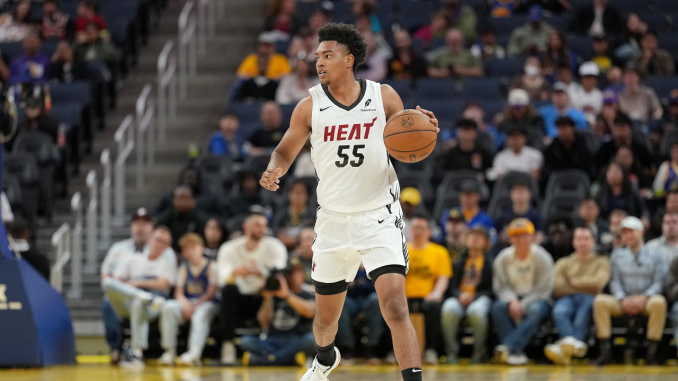
The SEC announced a new policy on Tuesday designed to stop member schools from signing athletes who signed with NFL, NBA and WNBA teams a day after LSU football coach Lane Kiffin gained a commitment from his second player fresh off an NFL roster. Last Sunday, Cleveland Browns tight end Dae’Quan Wright committed to LSU just after being cut by the Browns, and former Saints defensive tackle Zxavian Harris committed on Monday after the Saints cut him earlier this month.
The SEC also said that teams that violate this rule face a fine of 50 percent of the annual operating budget of the sport with a pro player, a half season suspension for the head coach and a revocation of SEC voting rights.
The Big Ten and Big 12 have approved similar policies barring former pros from coming back to school to play. The rare united effort across college sports comes after LSU became the first to tap the new “NFL” Transfer Portal. Wright and Harris both had signed with NFL teams, but they were granted college eligibility via a temporary restraining order (TRO) by Baton Rouge judge William Jorden, allowing them to return to college under the NCAA’s new five-year eligibility model that was for athletes from the class of 2023.
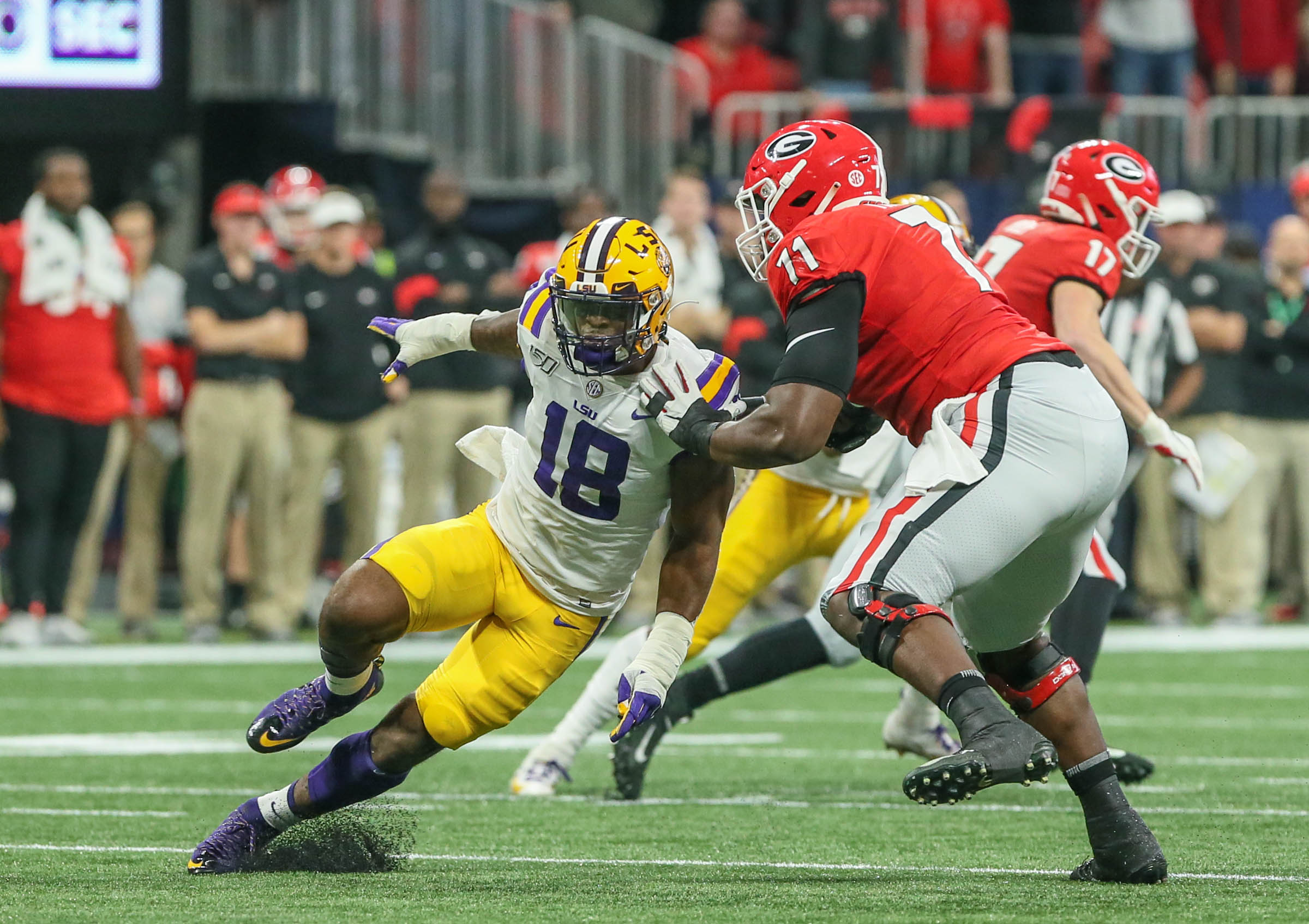
Jorden’s TRO is one many granted to class of 2022 players who have sued the NCAA seeking a fifth year, but it is the only one that grants eligibility to athletes who played in and signed contracts with professional leagues. Another Baton Rouge judge, Ronald Johnson, also granted LSU basketball signee RJ Luis a preliminary injunction for eligibility after he signed with two NBA teams and wanted to return to college – against NCAA rules. Those legal wins for the players were wiped out by the SEC’s rule, but questions remain on whether the rulings could be extended to the conference level.
Texas Judge John Brick answered those questions in his court on Wednesday.
Brick granted Texas A&M basketball signee Bryson Warren a TRO against the NCAA and notably mentioned any of its member conferences, including the SEC, in his ruling, which was obtained by Boise State Associate Professor Sam C. Ehrlich.
Warren’s case is not another five-for-five lawsuit. The 21-year-old never played college basketball, instead opting to go straight to pro competition. After time in the Overtime Elite league, he played three seasons in the NBA G League, appearing in 72 games from 2023-2026. Now, Warren is eligible to participate in team activities until his hearing scheduled for Sept. 4.
The situation is different than the ones affecting Kiffin’s two NFL commitments, but the underlying precedent is what is most important. If conferences like the SEC are considered “entities acting in active concert or participation with” the NCAA, then any injunctions or TROs issued against the NCAA can also restrain the new rules passed by the SEC, Big Ten and Big 12. Obviously, all conferences like the SEC and others are part of the NCAA umbrella.
A hearing in the case that includes Wright, Harris and 31 other class of 2022 athletes is scheduled for Monday. If Judge Jorden decides to rule in their favor and apply that ruling to the SEC, as Judge Brick did, Wright, Harris and any other ex-pros in the case could win eligibility this season. And they would not have to file separate lawsuits versus the SEC. The same could be said for Luis, although his follow-up hearing date to his injunction ruling last week has not yet been set.
Be the first to comment