
By GLENN GUILBEAU, Tiger Rag Editor
There was a movie filmed at LSU in 1987 about a superstar running back in the 1950s named Gavin Grey.
It was called, “Everybody’s All-American” and was based on a 1981 novel of the same name by fabulous sportswriter Frank Deford of Sports Illustrated fame.
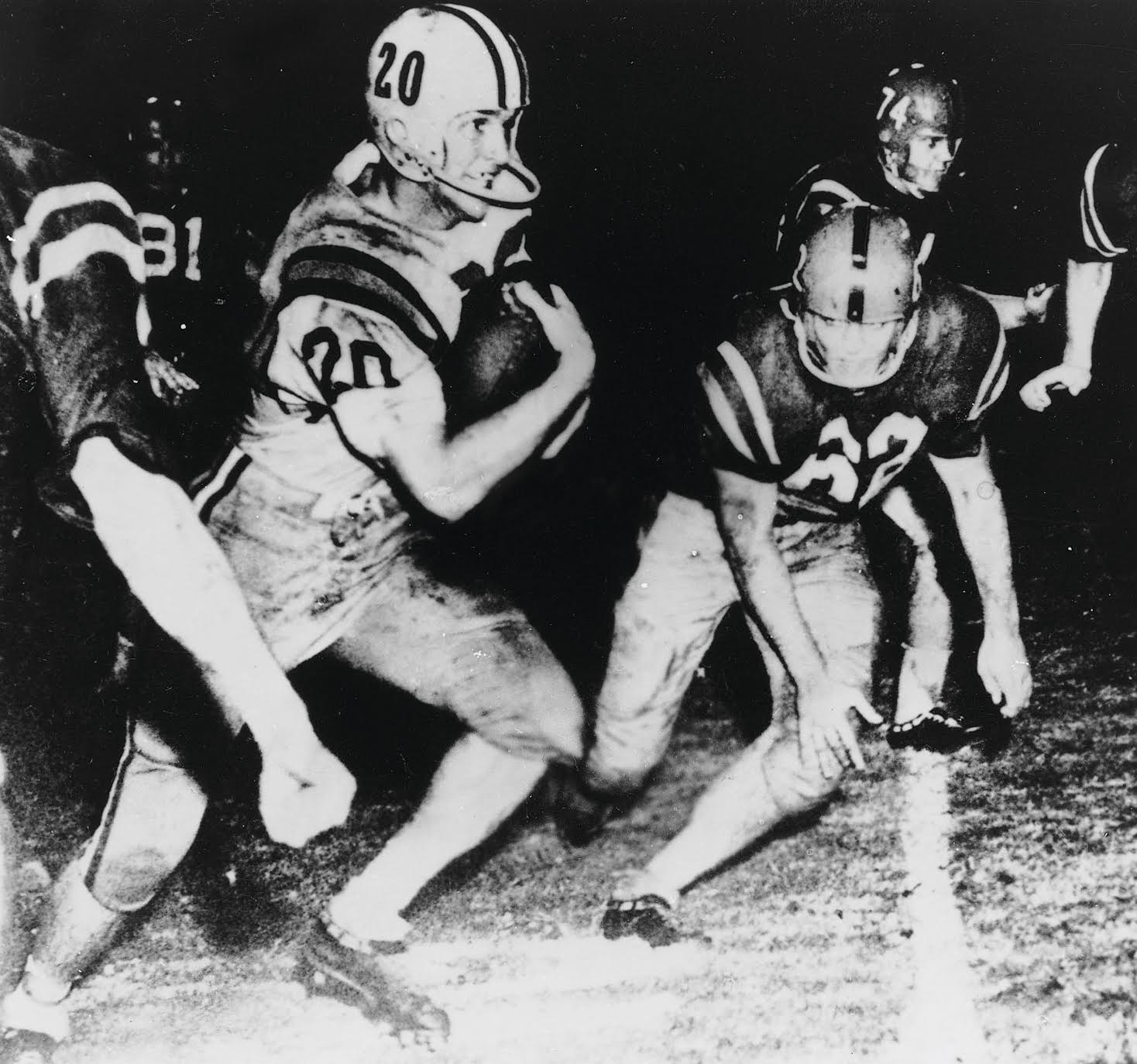
Actor Dennis Quaid of Houston with Cajun family ties played Grey. With his haircut and features, he looked a hell of a lot like an LSU superstar running back of 1957-59 named Billy Cannon. It was Cannon who led the Tigers to the 1958 national championship and won the 1959 Heisman Trophy on the strength of a Hollywood-like, 89-yard punt return in the fog and darkness of Halloween Night in Tiger Stadium to lead No. 1 LSU over No. 3 Ole Miss, 7-3.
After the run, LSU play-by-play announcer J.C. Politz beamed, “Billy Cannon – great All-American,” as if on cue.
BUNNIE CANNON DISCUSSES DOCUMENTARY ON HER LATE FATHER ON TIGER RAG RADIO BELOW:
When “Everybody’s All-American” came out in 1988, so many people thought that Quaid in all his purple and gold was portraying Cannon in an aptly named movie. But the book was actually set at the University of North Carolina, which refused to let director Taylor Hackford film the movie there because it feared the film would defame Tar Heel superstar running back Charlie “Choo Choo” Justice of 1946-49.
Still, Quaid seemed to have Cannon’s no BS demeanor, fun loving personality, gregariousness and esprit de corps. And in the end, despite everything that happened to him, Grey remained the real thing, much like Cannon.
But the Cannon family, for the most part, did not particularly like the movie. Cannon himself said he didn’t much care for it. Cannon also turned down numerous book and movie offers over the years about his movie-like life.
Until, while running the dental and medical facilities at the Louisiana State Penitentiary in Angola, Cannon befriended minister and former journalist Charles N. deGravelles, who Cannon fully cooperated with in the writing of “Billy Cannon: A Long, Long Run” in 2015.
Bunnie Cannon – Cannon’s daughter and an assistant dean at LSU for Outreach and Strategic Inititatives – liked the book, but she said it didn’t go deep enough. Since her father died on May 20, 2018, at age 80, she has wanted to get this done, and it’s close.
But a documentary set to premier on Louisiana Public Broadcasting the week of the LSU at Ole Miss football game on Sept. 19 is expected to go all the way, much like Cannon did on Oct. 31, 1959. Former Lieutenant Governor, State Senator and Secretary of State Jay Dardenne, who did the very successful “Why Louisiana Ain’t Mississippi” documentary in 2022 on LPB, and Emmy award winning writer Linda Midgett are the producers.
And the Cannons – Billy’s widow Dorothy “Dot” Cannon and all the children – Terri, Gina, Dara, Bunnie and Billy Cannon Jr. – are all behind it.
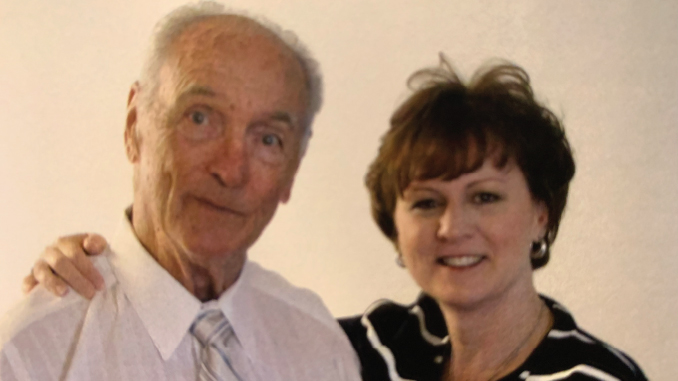
“This is going to be the only family-sanctioned documentary on my dad,” Bunnie Cannon told Tiger Rag Radio on Tuesday night. “And I’ve been wanting to do this for a long time, because there are a lot of people who don’t really understand what made my dad tick and what he went through in certain periods of time.”
After playing professional football in the AFL from 1960-70 and graduating from dental school early in his career, Cannon became an orthodonist in Baton Rouge. But in 1983, he was arrested for his involvement in a counterfeiting ring with five others and did two years in a federal penitentiary in Texarkana, Texas, before his release in 1986.
“Everybody knows about the football greatness and the first Heisman Trophy winner at LSU and all that,” Bunnie Cannon said. “But what they have failed to recognize is what happened after football. To me, what’s most important is who he truly was and what happened when he became the medical director at Angola. He was able to turn people’s lives around and do some really good things that needed to be done there. I’m looking forward to telling the story.”
The book, “Billy Cannon: A Long, Long Run,” didn’t sugarcoat things, and Cannon sounds like she didn’t want that either.
“What can happen when you’re a celebrity athlete and people give you everything? There was nothing in life that he wanted that he couldn’t get,” Cannon said. “But he still made a poor choice that had some major consequences for a lot of people.”
Dot Cannon is a major part of the story. She and Billy were high school sweethearts in Baton Rouge and married in 1956 while freshmen at LSU.
“She didn’t always agree with him and was as mad at him as a hornet a lot, but she stood by him,” Cannon said. “She’s a tremendous example for all of us. This is her story, too.”
And it’s Bunnie’s story.
“As a young kid, he was a lot of fun,” she said. “Always laughing. There was always laughter, always music, always joking. He was the life of the party. But in the 1980s, things go serious. This tells the whole story. It’ll show you where he came from and what happened to him as a child and how that impacted his life.”
Be the first to comment