
By KACE KIESCHNICK, Tiger Rag Staff Reporter
While the college football world debates whether Baton Rouge Judge William Jorden’s amended temporary restraining order (TRO) that now blocks the Southeastern Conference’s rule prohibiting schools from signing former pro players will hold up in a hearing scheduled for next Thursday, a Texas judge has made the same ruling.
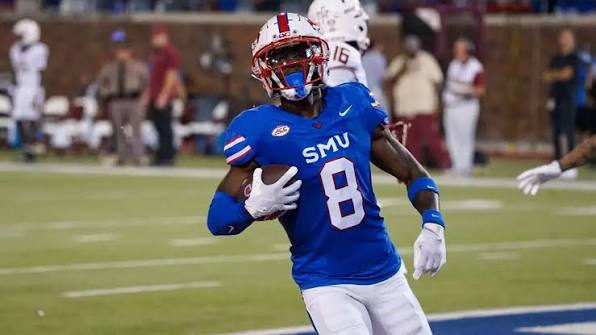
Per multiple reports, Dallas County Judge Martin Hoffman granted a group of more than 40 class of 2022 athletes a 14-day TRO on Thursday, restoring their eligibility and allowing them to enter the transfer portal during that period. Among the plaintiffs are ex-Miami linebacker Wesley Bissainthe and former Washington receiver Omari Evans, who are both currently rostered by the NFL Kansas City Chiefs, and former SMU-now Cowboys receiver Jordan Hudson. Judge Hoffman’s ruling, like Jorden’s amended TRO, names the NCAA, SEC and SEC commissioner Greg Sankey as defendants.
SATURDAY, AUGUST 29, UPDATE: SEC Commissioner Greg Sankey Succumbs To Court Orders After All
That means the TRO also restrains the Sankey’s punishments for rostering an athlete who declared for the NFL, NBA or WNBA draft without removing their name, signed a contract with any of the leagues, or been listed on a roster in one of them. Punishments include a fine equal to 50 percent of the team’s annual operating budget, a half season suspension for the head coach and the revoking of the school’s voting rights in SEC matters.
No players who qualify as a former professional under the SEC’s criteria in the Texas TRO have committed to transfering to a new school or returning to their previous one. The Baton Rouge lawsuit involving tight end Dae’Quan Wright and defensive tackle Zxavian Harris – both commitments to LSU football coach Lane Kiffin as of this week – is still the only one to produce a commitment of a freshly-released NFL player to return to college football. But the Texas ruling could be an indication that there are more to come.
Kiffin said last Monday that more judges’ rulings like the one by Hoffman in Dallas above were on the way.
“From my information, this isn’t stopping,” Kiffin said Monday. “There are cases that are going to come out where there are other athletes in the same type cases. You may end up having hundreds of athletes in this case that are told they have a fifth year. So, this is really a unique circumstance that isn’t a traditional pros trying to go back to college because they win (an individual) case.”
Lane Kiffin refutes CBS Sports story that says he “reached out” to players on NFL rosters to join eligibility suit vs. NCAA.
— Glenn Guilbeau (@SportBeatTweet) August 28, 2026
“These kids made these decisions on their own with attorneys,” Kiffin said.
Story also has error concerning Junior Tuihalamaka.https://t.co/Y3Yi9PweR0
Each of the other Power Four conferences joined the SEC in passing conference bylaws deterring schools from signing athletes that were deemed eligible after signing a professional contract. These rules were put in place as a second line of defense to prevent these athletes from playing college sports even if a judge ruled in their favor in one of the many nationwide lawsuits against the NCAA. Now they too, are becoming a target for athletes’ attorneys and state judges to knock down. It’s not just a Louisiana judge thing.
The primary question is whether or not a conference has the authority to enforce its own rules or if their actions are in participation or concert with the NCAA.
A similar question was answered in the U.S. Supreme Court case Alston v. NCAA (2021). The court ruled that while the NCAA could not impose national limits on athletes receiving “education-related benefits,” the conferences were free to set their own rules. That autonomy is the crux of these TROs.
The NCAA has lost eligibility lawsuits hand over fist this summer and over recent years. The same may very well end up being true at the conference level if athletes and their reputation continue to pursue litigation restraining their rules. However, the question remains whether ruling to grant class of 2022 athletes a fifth season of eligibility is the same as ruling that a conference cannot enforce its own rules on its member schools. Was the Alston decision case-specific, or can it be applied to these lawsuits as well?
Whatever the conclusion is, it will likely face appeals from the losing side. This debate is far from over and, if appealed to its fullest extent, will likely take longer to resolve than the 2026 college football season.

Be the first to comment