
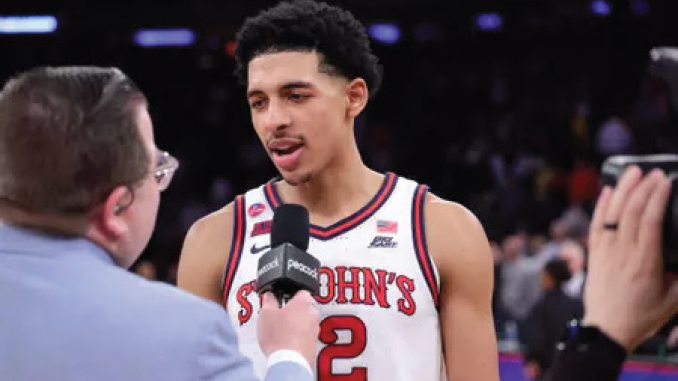
Luis’ attorneys say the conference violated a Nov. 13 preliminary injunction. The request is part of his existing state-court case—not a new lawsuit and not the SEC’s federal case against LSU.
BATON ROUGE, La. — Attorneys for RJ Luis Jr. filed a motion Wednesday asking a Baton Rouge judge to hold the Southeastern Conference and Commissioner Greg Sankey in contempt of court.
The filing asks the court to order the SEC and Sankey to appear and explain why they should not be held responsible for allegedly violating a preliminary injunction signed Nov. 13.
The motion was filed in RJ Luis Jr. v. National Collegiate Athletic Association, et al., Suit No. C-782241, in the 19th Judicial District Court for East Baton Rouge Parish.
It is not a new lawsuit. It is a new motion filed in Luis’ existing eligibility case.
It also was not filed for former NFL players Dae’Quan Wright and Zxavian Harris. They are not plaintiffs in this motion. Their earlier eligibility dispute provides background for LSU’s larger fight with the SEC, but Wednesday’s filing concerns Luis, the Nov. 13 injunction and the conference’s conduct after LSU placed Luis on its basketball roster.
State case: RJ Luis Jr. v. National Collegiate Athletic Association, et al.
Court: 19th Judicial District Court, East Baton Rouge Parish
Suit number: C-782241
Filing: Motion for contempt and request for a rule to show cause against the SEC and Greg Sankey in his official role as commissioner
What Luis Is Asking The Judge To Do
The filing is titled “Plaintiff’s Motion for Contempt and Incorporated Memorandum in Support and for Rule to Show Cause Against the Southeastern Conference and Its Commissioner.”
Luis’ attorneys ask the court to hold the SEC and Sankey—identified solely in his official role as conference commissioner—in “constructive contempt.”
In plain English, Luis claims they disobeyed or undermined a court order through conduct that occurred outside the courtroom. The word “constructive” describes the type of alleged contempt. It does not mean the court has decided the allegation is true.
The judge may issue a rule to show cause, which would require the SEC and Sankey to appear and answer the accusation. They would be allowed to explain their actions before the court decided whether the injunction was violated.
As of Wednesday evening, no signed contempt order or order scheduling a show-cause hearing had been located in the publicly available record.
What The Nov. 13 Order Did
According to the contempt motion, the court held a preliminary-injunction hearing Nov. 13 with attorneys for the SEC present.
The court granted a preliminary injunction against the SEC but denied Luis’ request for similar relief against the LSU Board of Supervisors.
The order temporarily prohibits the conference and anyone acting with it from refusing to allow Luis to become a member of LSU’s men’s basketball team or to practice, participate and compete with the Tigers during the 2026-27 season.
The SEC also gave LSU written assurance that it would comply with the injunction while it remained in effect and would not fine or penalize LSU for placing Luis on the roster.
This is temporary protection while the lawsuit continues. It is not a final judgment permanently deciding Luis’ eligibility or the limits of the SEC’s governing authority.
What The $100 “Security” Means
Before the injunction could take effect, the judge required Luis to post a $100 bond. Louisiana law calls that bond “security.”
It was not a fine, a payment to the SEC or a measure of what the lawsuit is worth.
The bond provides a small source of protection for the party restrained by the injunction if a court later determines the order should not have been issued and that the restrained party incurred costs or damages.
The judge set the amount at $100. Luis posted the required bond Nov. 16, completing the procedural step needed to put the preliminary injunction into effect.
Posting the bond did not make the injunction permanent and did not decide the merits of the lawsuit. It activated the temporary order while the case proceeds.
Louisiana Code of Civil Procedure Article 3610 explains the security requirement for temporary restraining orders and preliminary injunctions.
What Happened After LSU Rostered Luis
LSU added Luis to its official men’s basketball roster Tuesday. The university lists him as No. 12, a 6-foot-7, 220-pound fifth-year senior.
LSU President Wade Rousse said the university acted after receiving the Nov. 13 order and the SEC’s written assurance that the conference would not fine or penalize LSU for rostering Luis.
The SEC responded publicly by criticizing LSU’s action.
“LSU’s decision today to rely on its own interpretation of the Court’s order to justify its actions is inconsistent with the expectations and responsibilities of membership in the Southeastern Conference.”
The conference called LSU’s decision “deeply concerning and disappointing” and said it would continue to defend the standards and policies established by its members.
Luis’ attorneys now contend the SEC’s response violated or undermined the injunction. That remains their allegation. The judge has not ruled that the statement, Sankey’s conduct or any other conference action violated the order.
Read the SEC’s complete response to LSU’s decision to roster Luis.
This Is Separate From The Birmingham Case
The Luis proceeding in Baton Rouge is separate from the federal lawsuit the SEC filed against LSU and Louisiana officials in Birmingham.
That case is The Southeastern Conference v. Louisiana State University, et al., No. 2:26-cv-01586-ACA, in the U.S. District Court for the Northern District of Alabama.
U.S. District Judge Annemarie Carney Axon held a hearing Wednesday on the SEC’s motion to strike language from Louisiana’s reply supporting dismissal of the federal lawsuit. The hearing centered on the use of the word “hallucinated” when criticizing legal citations submitted by the SEC.
Axon sharply rebuked the Louisiana lawyers and demanded corrective action and public statements expressing regret. Louisiana Attorney General Liz Murrill later said her office would remove the disputed wording but would not apologize.
No publicly available signed order from the hearing had been located Wednesday afternoon. The federal proceeding did not decide Luis’ eligibility, the Baton Rouge contempt request or the merits of the SEC’s broader lawsuit against LSU.
The federal court still has not resolved LSU’s motion to dismiss or issued a merits ruling defining the SEC’s power to punish or expel a member institution over the use of former professional athletes.
The Baton Rouge judge is being asked a narrower question: Did the SEC or Sankey violate the specific preliminary injunction entered for Luis?
For now, LSU has rostered Luis. The injunction remains temporary. The contempt request remains undecided. Neither the Baton Rouge court nor the federal court in Birmingham has issued a final ruling settling the larger fight between LSU and the SEC.
Verification note: The publicly posted first page of the contempt motion verifies the case number, requested relief and Nov. 13–16 timeline. The complete supporting memorandum and any signed order scheduling a contempt hearing were not available through a direct public court link Wednesday evening. The contempt claim is Luis’ allegation, not a court finding.

Be the first to comment