
Federal Judge Postpones SEC-LSU Hearing After Tigers Close 105-Man Roster
BIRMINGHAM, Ala. — A federal judge postponed Wednesday’s hearing in the Southeastern Conference’s lawsuit against LSU, removing an immediate courtroom showdown one day before SEC presidents and chancellors were scheduled to consider terminating LSU’s conference membership.
- The SEC did not receive its requested temporary restraining order.
- The federal court did not authorize LSU’s expulsion.
- The judge did not prohibit the SEC from conducting Thursday’s meeting.
- The SEC’s lawsuit remains active, but no new hearing date has been set.
The hearing is continued
U.S. District Judge Annemarie Carney Axon issued a brief order continuing the 1 p.m. hearing without establishing a new date.
“The hearing in this matter is continued. The court will reset the hearing by separate order.”
The order did not dismiss the SEC’s lawsuit or decide any of the conference’s constitutional claims. It also did not explain why the hearing was postponed.
The practical result is that the SEC did not obtain emergency judicial relief before Thursday’s scheduled meeting of conference presidents and chancellors.
LSU removed the immediate roster dispute
The postponement came hours after LSU completed its 105-man football roster without former NFL training-camp players Dae’Quan Wright and Zxavian Harris.
LSU filled its final two positions with cornerback Aidan Anding and defensive end Gabriel Reliford, closing the ordinary roster path through which Wright or Harris could join the Tigers during the 2026 season.
Under NCAA roster procedures, LSU cannot simply remove one player and substitute another after reaching the 105-player limit. Only narrow exceptions involving specific circumstances could create an allowable replacement position.
Tiger Rag reported Tuesday night that LSU’s decision eliminated the immediate possibility that Wright or Harris would appear in SEC competition. The decision did not, however, automatically end the broader institutional dispute raised by the conference.
The SEC’s case extends beyond the two players
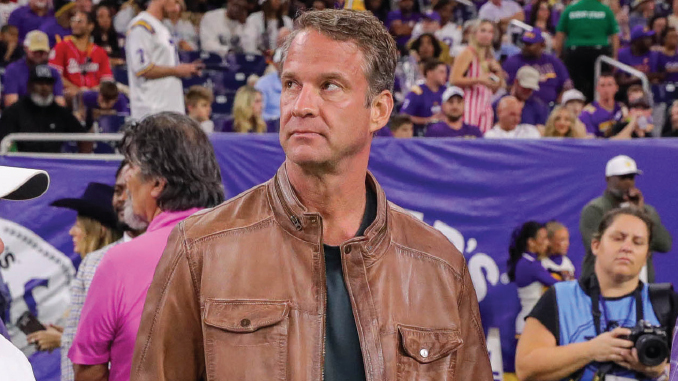
In its amended federal complaint, the SEC alleges that LSU and football coach Lane Kiffin conducted a coordinated effort to recruit former professional players. The conference also accuses LSU’s leadership of lacking institutional control over its football program.
The SEC says its presidents and chancellors reached a consensus that LSU’s continued membership could be inconsistent with conference principles “whether or not” LSU ultimately placed Wright, Harris or another former professional player on its roster.
That language is important because it indicates that LSU’s decision to complete its roster does not necessarily resolve the conference’s broader complaint against the university.
What the SEC asked the federal court to protect
Under Section 3.1.5 of the SEC Constitution, terminating a member requires approval from at least two-thirds of the conference’s 16 presidents and chancellors. That means at least 11 votes would be required. Any approved termination motion would also have to establish an effective date.
The SEC asked Judge Axon to prevent LSU officials, Louisiana Attorney General Liz Murrill and others from attempting to block, delay or reverse a conference membership decision except through claims brought in the Alabama federal case.
During her appearance Tuesday on Tiger Rag Radio, Murrill questioned why the conference needed emergency protection for a meeting no one had attempted to stop.
“No one has attempted to block that meeting on Thursday. So the whole lawsuit is just a made-up thing.”
As of Wednesday afternoon, the SEC had not publicly announced whether the postponement or LSU’s completed roster would change its plans for Thursday’s meeting.
Louisiana and Alabama cases remain separate
The conference has argued that terminating LSU’s membership would constitute an exercise of its independent associational authority rather than a disciplinary penalty prohibited by the preliminary injunction issued in Louisiana.
Judge William Jorden’s Louisiana order prevents the SEC and NCAA from using their eligibility rules to stop LSU from rostering Wright and Harris or punishing LSU for using athletes protected by the lawsuit.
The preliminary injunction followed a nine-hour hearing in Baton Rouge during which Wright, Harris and other athletes testified about their attempts to receive a fifth season of college eligibility. The Louisiana case protects 42 athletes across multiple sports.
Wednesday’s continuance leaves the two proceedings on separate tracks. The Louisiana injunction remains in force, while the SEC’s federal First Amendment and associational claims remain unresolved in Alabama.

Be the first to comment