
By KACE KIESCHNICK, Tiger Rag Staff Reporter
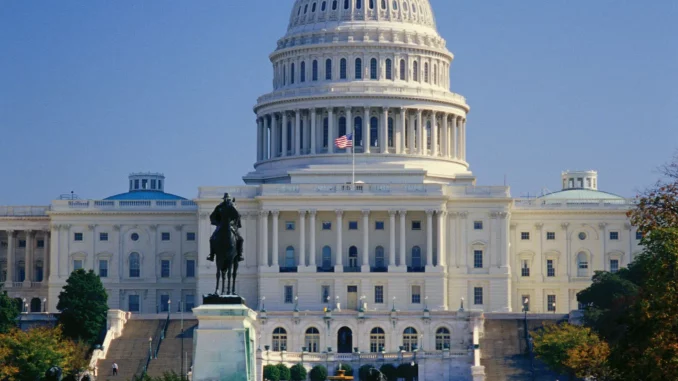
The Protect College Sports Act is headed to overtime. U.S. Senators pushed a vote on the bill back until a September return from recess after a late-night pre-recess session that ended early Saturday morning. The act does, however, have a place on the Senate’s calendar next month.
Lawmakers tried to push the bill over the edge with a late surge in the final days before the annual five-week recess that lasts until Sept. 14. Despite the Southeastern and Big Ten Conferences finally voicing their support, the bill had slim chances of facing a vote thanks to a packed Senate agenda with little time remaining, thanks to last-minute alterations the leagues wanted for the bill.
Once the legislation had been introduced, opposition from the Congressional Black Caucus and labor unions, amendments and objections filed by lawmakers and an underwhelming Whip vote count made accelerating a vote with unanimous consent impossible.
The kick to September is just a delay for the bill, not a death sentence. It does, though, open up the Protect College Sports Act to another month of political scrutiny. The co-authors of the bill, Ted Cruz (R-Texas), Maria Cantwell (D-Wash.) and Eric Schmitt (R-Mo.) already willed their legislation through the complete redesign demanded by university and conference officials. Now, the bill could be facing a second overhaul when lawmakers return in September.
Amendments already filed include protections for state laws restricting transgender participation in women’s sports and a 180-day conference realignment period to shield Power Four schools from the five-year probationary period required by the act.
Whether or not the bill continues to evolve, it will face opposition and delays. Initial polls among Senators showed less support than expected. If it does manage to make it through the Senate, the bill’s path through the House will be no easier.
House Majority Leader Steve Scalise (R-La.) has already voiced his opposition to the Protect College Sports Act. However, his statements against the legislation did come before the intense revisions of the bill and announced support from LSU and the SEC.
The start of the school year and fall athletics seasons will provide a brief respite from the seemingly never-ending debates over congressional reform in college sports, but the saga is far from over. In the meantime, conference and NCAA officials could explore changes to the revenue-share system through alterations to the language of the NCAA-House settlement.

Be the first to comment